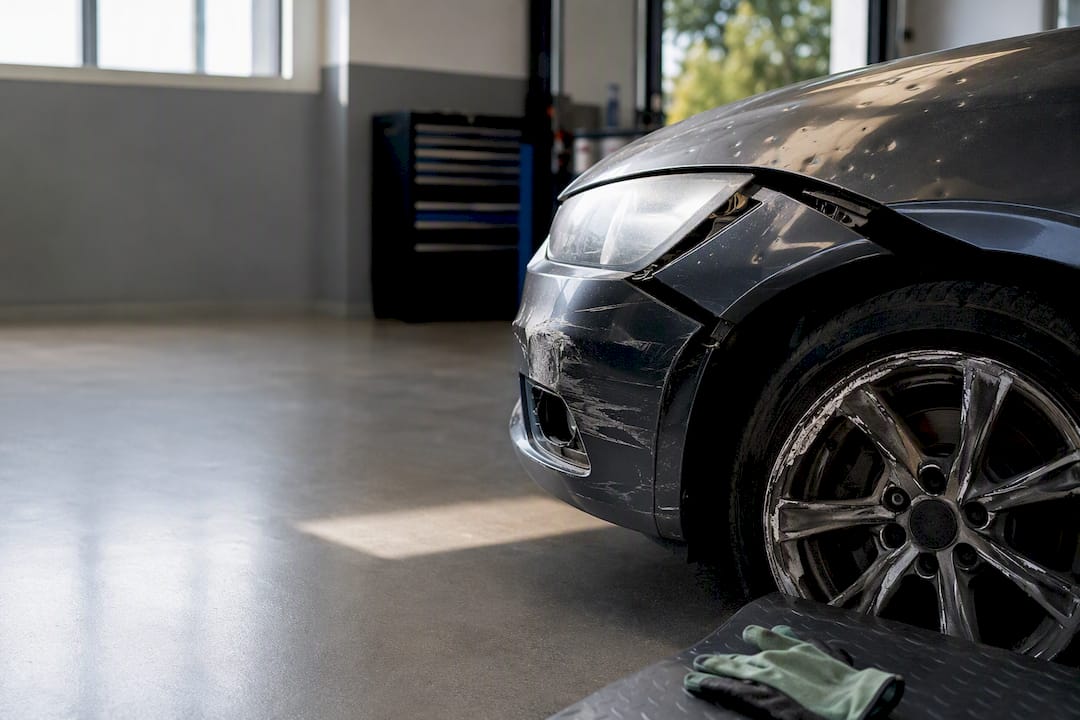
Collision covers crash damage, comprehensive covers non-crash damage, and the usual rule is to carry both if you owe money on the car or its market value is still substantial. If the vehicle is older and largely paid off, the math shifts toward weighing your premium and deductible against what the car is actually worth. The sections below walk through both coverages using U.S. industry data, then show exactly how deductibles affect your wallet.
TL;DR:
- Collision coverage usually has a higher claim severity, averaging around $5,489, and is more likely to result in a large payout for accident-related damage.
- Comprehensive coverage costs less on average, with claims averaging around $2,306, and covers non-crash incidents like theft, weather, and animal strikes.
- Carrying both coverages is typically required by lenders until the car’s loan or lease is paid off, regardless of state laws.
- Higher deductibles lower premiums but require more cash upfront, and choosing the right deductible depends on your financial ability to pay it when needed.
- Using deductible assistance services can help cover out-of-pocket costs after a claim, especially for drivers with limited emergency funds.
Table of Contents
- What collision coverage actually pays for
- What comprehensive coverage actually pays for
- Comprehensive vs collision: the key differences at a glance
- How deductibles and payouts actually work
- When collision and comprehensive are actually required
- How to decide whether to keep collision and comprehensive
- What actually matters when weighing these two coverages
- How Deductible Assist helps cover your deductible after a claim
- Where these figures come from
- Sources
- FAQ
What collision coverage actually pays for
Collision coverage pays to repair or replace your car after it hits, or is hit by, another vehicle or object, including single-car accidents. That covers the obvious scenario, another car, along with a guardrail, a mailbox, a pothole that bends a rim, or a rollover with no other vehicle involved.
Payouts are based on actual cash value, meaning the insurer pays what your car was worth right before the crash, not what you paid for it or what a replacement costs new. That distinction matters most when a car is totaled: if repair costs exceed the vehicle’s ACV, the insurer writes a check for the car’s value instead of fixing it, and older vehicles hit that ceiling fast.
Collision claims tend to be less frequent than people assume but carry a heavier price tag when they happen. Recent industry claim data puts average collision claim severity around $5,489, a figure that helps explain why collision premiums usually run higher than comprehensive premiums for the same driver.
What comprehensive coverage actually pays for
Comprehensive coverage handles damage that has nothing to do with a crash. Think theft, hail, a falling tree limb, a deer strike, vandalism, fire, or a cracked windshield. The California Department of Insurance describes it plainly: collision covers contact with another vehicle or object, while comprehensive covers loss from events like theft, weather, fire, vandalism, and animal strikes.
Comprehensive claims happen more unevenly across the country since they track local risk (hailstorms in the Midwest, deer strikes in wooded regions, theft rates in dense urban areas), but they tend to cost less per claim than collision claims. The same Triple-I data shows average comprehensive claim severity around $2,306, well below the collision figure.

One quirk worth knowing: glass damage is often treated differently. Some insurers offer a lower deductible, or even a $0 deductible, for windshield repairs, separate from your standard comprehensive deductible.
Comprehensive vs collision: the key differences at a glance
The core distinction is simple once you see it laid out. Collision responds to crashes and physical contact; comprehensive responds to everything else that can damage a parked or stationary car.
- Coverage trigger: collision needs contact with a vehicle or object; comprehensive covers theft, weather, animal strikes, and similar non-collision losses.
- Typical cost: collision premiums usually run higher than comprehensive premiums because collision claims cost more on average per incident.
- Deductibles: you choose separate deductible amounts for each, and they don’t have to match.
- Lender rules: most auto loans and leases require both coverages until the loan or lease is paid off, even though state law does not.
The numbers behind these patterns come from national claims data:
| Metric | Collision | Comprehensive |
|---|---|---|
| Average claim severity | $5,489 | $2,306 |
| Approximate share of drivers who purchase it | 77% | about 80% |
For the average driver, that gap means collision is the coverage more likely to produce a large single payout, while comprehensive claims happen across a wider range of causes but usually cost less to resolve.
How deductibles and payouts actually work
Collision and comprehensive deductibles are set independently, so you could carry a $500 comprehensive deductible and a $1,000 collision deductible on the same policy. Insurers price each separately based on the risk they’re covering.
Because payouts use actual cash value, a total loss payout might come in lower than your remaining loan balance, a gap that GAP insurance is designed to cover, not collision or comprehensive.
- $500 deductible: higher monthly premium, lower out-of-pocket cost if you file a claim.
- $1,000 deductible: lower monthly premium, but you need $1,000 in cash on hand before the insurer pays anything.
The tradeoff is straightforward: a higher deductible saves money every month but demands more cash the moment something goes wrong.
Pro Tip: Ask your insurer whether glass damage qualifies for a reduced or waived deductible, and check if they offer a deductible reimbursement add-on before assuming your only option is paying full price out of pocket.
When collision and comprehensive are actually required
No state requires collision or comprehensive coverage by law. Every state mandates liability coverage (or proof of financial responsibility), but collision and comprehensive are optional add-ons.
Lenders and leasing companies see it differently. Financing or leasing a car almost always comes with a contractual requirement to carry both until the loan or lease ends, and lender guidance makes clear that dropping required coverage can trigger force-placed insurance, which is typically pricier and less flexible than a policy you shop for yourself. Check your loan or lease paperwork, then compare it against your insurance declarations page before making any changes.

How to decide whether to keep collision and comprehensive
Run through this checklist before you change anything on your policy:
- Check your loan or lease status. If you still owe money, both coverages are likely required by contract regardless of what state law says.
- Estimate your car’s actual cash value. Use a valuation tool or recent comparable sales, not what you paid for it years ago.
- Compare annual premium plus deductible against that value. If the two are close, the coverage may not be worth keeping once the loan is paid off.
- Factor in local risk. Frequent hailstorms, high theft rates, or deer-heavy roads make comprehensive worth keeping even on an older car.
- Check your emergency fund. A higher deductible only makes sense if you can actually cover it the day a claim happens.
Consumer guidance generally points to dropping optional coverage once a car’s value falls low enough that premiums plus deductible could exceed the payout, though the right threshold depends on your own numbers and risk tolerance. Get quotes at a couple of different deductible levels before deciding, since the savings vary more than most drivers expect.
What actually matters when weighing these two coverages
If you owe money on your car or its market value is still meaningful, carry both collision and comprehensive and stop overthinking it. The math only gets interesting once the loan is gone and the car has depreciated enough that premiums plus deductible start rivaling the payout you’d actually receive.
Pick a deductible you can pay in cash without flinching, not the one that looks best on a quote comparison. And if a covered claim lands and the deductible itself is the obstacle, a service offering deductible assistance can be a practical way to bridge that gap rather than delaying a repair you need.
— Mikayel
How Deductible Assist helps cover your deductible after a claim
Having the right coverage doesn’t help much if the deductible itself is out of reach the week your car needs repairs. Such services often work through a three-step process: completing a prequalification application, receiving expert guidance on your specific claim, and, for qualified applicants, financial support toward their deductible.

This tends to matter most for drivers without a large emergency fund, especially after a collision claim with a higher deductible or a comprehensive claim following theft or storm damage. The eligibility check is typically free and comes with no obligation, and applicants often work with a dedicated case handler through the process.
- Step one: submit a prequalification application.
- Step two: get expert guidance through your claim.
- Step three: receive deductible support if you qualify.
| What you get | Detail |
|---|---|
| Process | Three-step prequalification, guidance, support |
| Cost to check eligibility | Free, no obligation |
| Support type | Dedicated case handler per applicant |
Start with a free eligibility check to see whether you qualify, and once approved, the next steps walk you through securing support for your deductible.
Where these figures come from
This article is general information, not a substitute for advice from a qualified financial advisor. Consult a qualified financial professional about your own circumstances before acting on anything here.
Sources
- NAIC auto insurance database (state average expenditures and premiums)
- Comprehensive vs. collision auto insurance | Investopedia
FAQ
Is it better to have collision or comprehensive coverage?
Neither is inherently better since they cover different risks: collision handles crash damage and comprehensive handles theft, weather, and similar non-crash losses. drivers](https://www.iii.org/article/what-is-covered-by-collision-and-comprehensive-auto-insurance) purchase comprehensive alongside liability coverage.
Is hitting a mailbox comprehensive or collision?
Hitting a mailbox is a collision claim because it involves your vehicle making contact with a physical object. Collision coverage applies to crashes with other vehicles or objects, including single-car incidents like this one.
Is it better to have a $500 deductible or $1,000?
A $500 deductible means a higher monthly premium but less cash needed if you file a claim, while a $1,000 deductible lowers your premium but requires more money upfront. The right choice depends on whether you’d rather pay a little more every month or keep more cash on hand for an emergency.
Will collision raise my insurance rates?
Filing a collision claim can raise your rates, particularly for an at-fault accident, since insurers price future premiums based on claim history and risk. The exact effect varies by insurer and state, so checking your policy’s accident forgiveness terms or asking your agent directly gives a clearer answer for your situation.
Leave a Reply